Social Skills Groups: Building Real Friendships Through ABA
Social skills groups are one of the most powerful — and joyful — parts of ABA therapy. Here is how small-group sessions help children with autism build genuine connections.
For many children with autism, the hardest thing in the world is not reading or math. It is walking up to another child and saying hello. Social interaction — the thing that comes automatically to most kids — requires deliberate, effortful processing. And without support, those social gaps tend to widen over time, not narrow.
That is exactly what social skills groups are designed to address. And at Courageous Hearts, they are some of our most rewarding sessions to run.
What Is a Social Skills Group?
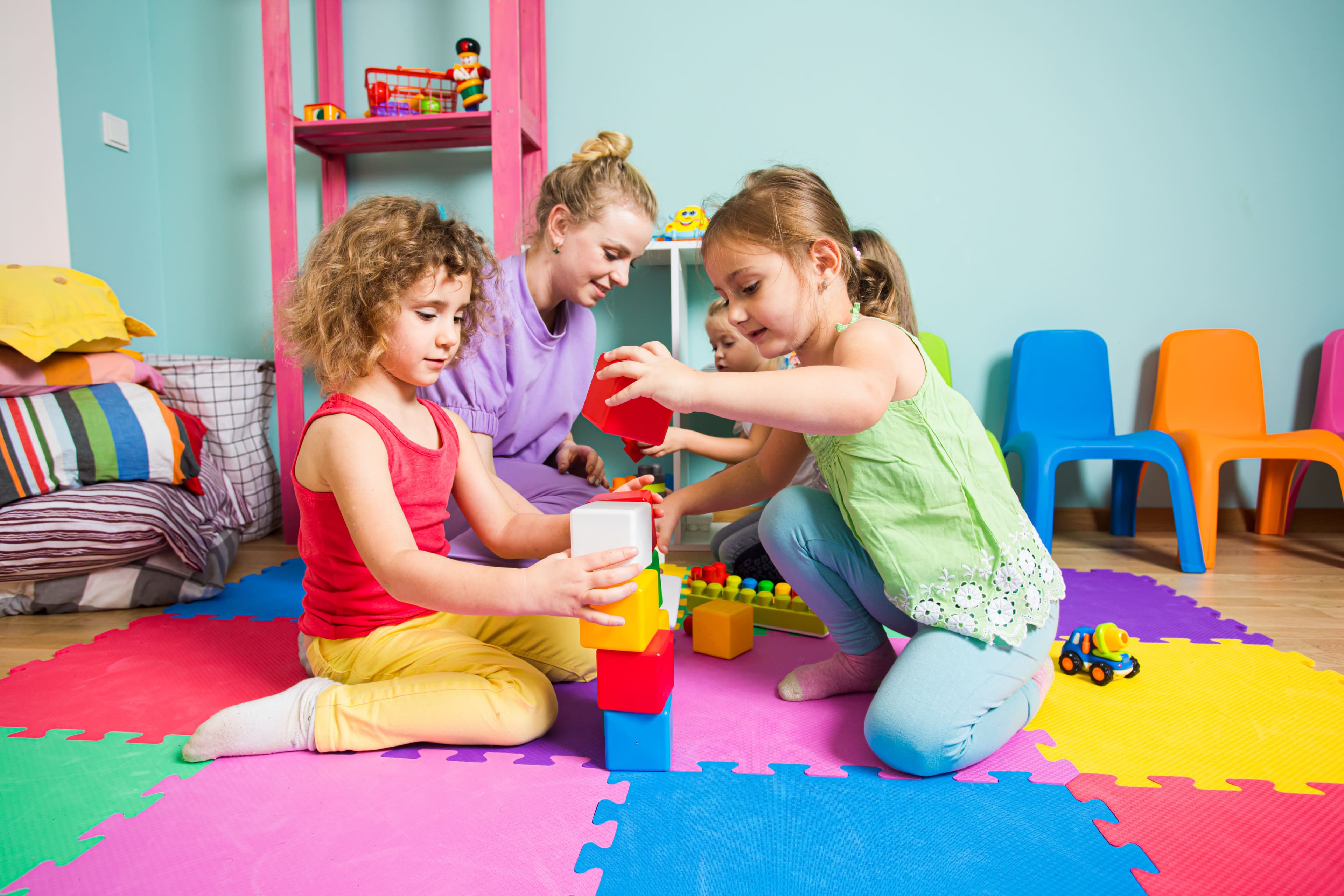
A social skills group brings together a small number of children — typically two to six — who are working on similar social goals. Groups are led by an experienced clinician and structured around activities that create natural opportunities for the skills being targeted: conversations, collaborative games, turn-taking, conflict resolution, reading facial expressions.
The key difference between a social skills group and just putting kids together is the intentional teaching. The clinician is not just supervising play. They are narrating what is happening socially, prompting and reinforcing target behaviors in real time, and helping each child make sense of interactions that might otherwise feel confusing or overwhelming.
What Skills Are Targeted?
Skills vary by age and need, but common targets in social skills groups include: initiating conversations with peers, responding to greetings, sharing and taking turns, asking for help, reading body language and facial expressions, handling losing gracefully, and recovering from social mistakes.
For older children and teens, groups often focus on more complex social navigation — understanding sarcasm and humor, making and keeping friends, managing peer pressure, and participating in group conversations.
Why Groups Work Better Than One-on-One for Social Skills
You cannot fully teach social skills without other people. Individual therapy can lay the groundwork — explaining what a conversation starter is, practicing how to ask a question — but real skill development requires real social situations. A group provides that in a controlled, supportive environment where mistakes are safe and every success is celebrated.
Children in our groups also form real bonds with each other. Many families tell us that the friendships their children made in group sessions have become some of their most meaningful relationships.
How to Know if a Group Is Right for Your Child
Social skills groups are appropriate for most children with autism who have enough language to participate in group activities. Your BCBA will help assess whether your child is ready for a group format and, if so, which group would be the best match in terms of age, skill level, and social goals.
If you are curious about our current group offerings in Georgia, Indiana, or Utah, reach out and ask. We would be happy to walk you through what is available and what your child might gain from it.
Ready to get started?
Our team is here to answer your questions and guide your family through every step.